Why Don’t My Coping Skills Work Anymore?
You’ve done the breathing exercises, the journaling, the grounding techniques. You know how to calm your body in the moment. But lately, it feels like those tools aren’t enough. You’re still anxious. Still emotionally flat. Still stuck in patterns you thought you’d outgrown.
This doesn’t mean you’re doing it wrong. It may mean you’ve reached a deeper layer of your experience, one that can’t be fully addressed with strategies alone. You might be ready for deeper exploration rather than more tools.
You’re Not Failing. You May Have Outgrown Band‑Aids
You can name your triggers. You practice mindfulness. You’ve learned box breathing, progressive muscle relaxation, and cognitive reframing. Your therapist taught you grounding exercises, and you use them. You read self-help books and follow therapist content creators online.
And yet…
There’s still this weight. A kind of emotional flatness. A sense that you’re going through the motions while something deeper remains untouched. You’re managing symptoms, but not feeling different. You’re coping, but not healing.
This doesn’t mean you’re broken. It may mean you’re ready for something more than symptom management.
At Hello Mental Health in Cincinnati, we often see thoughtful, high‑functioning adults who’ve done all the “right” things and still feel stuck. If that feels like you, you’re not alone.
What Coping Skills Can (and Can’t) Do
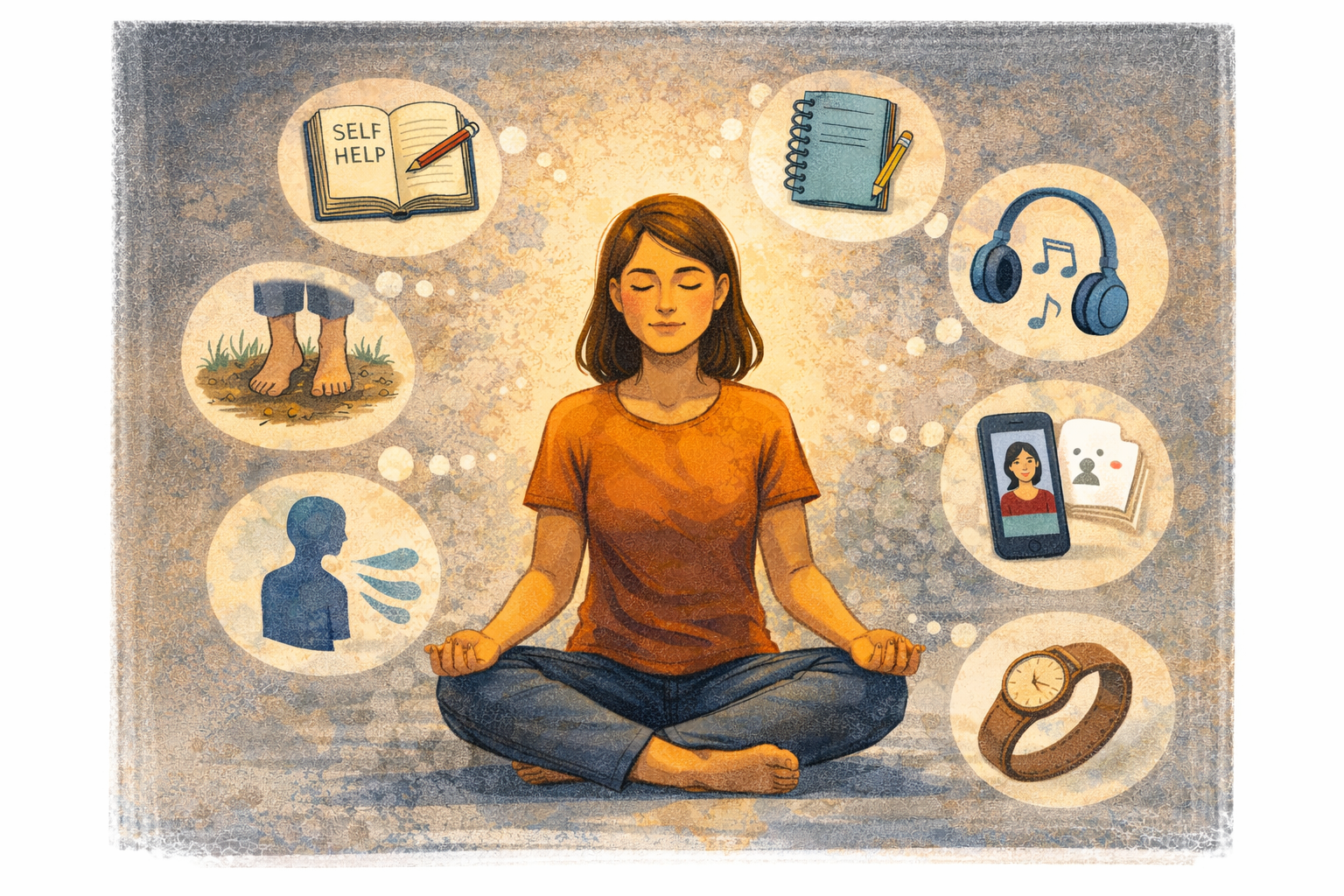
Coping skills matter. They can help regulate your nervous system, interrupt distressing patterns, and give you tools to function when things are hard.
What coping skills are good for:
Managing acute emotional overwhelm
Helping you stay grounded during panic or shutdown
Supporting short‑term stability
Giving you agency when emotions feel chaotic
What they don’t necessarily do:
Change the underlying patterns that contribute to ongoing distress
Heal relational or developmental wounds
Shift deeply rooted beliefs about worth, safety, or identity
By themselves, create lasting change across life domains
Coping strategies are valuable tools, but they aren’t the only work you might need when symptoms persist.
The Problem With a Coping‑Skills‑Only Approach
Learning coping strategies can feel like progress. But there are common patterns we see when this approach becomes the main focus:
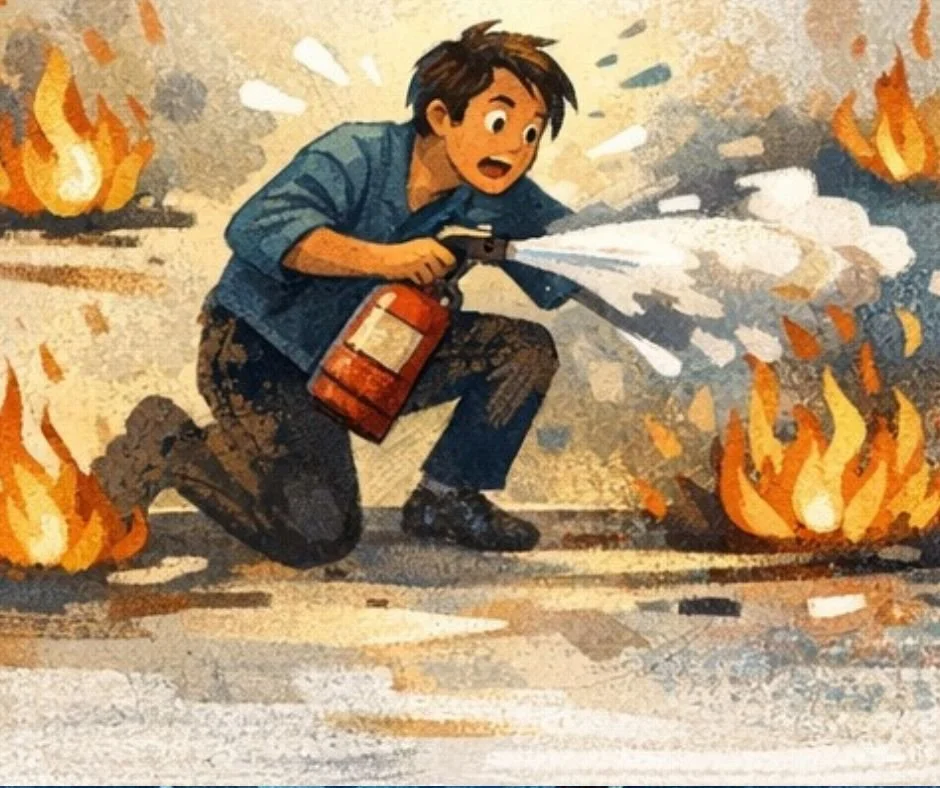
1. You’re constantly putting out fires.
You regulate moment to moment, but the bigger patterns keep resurfacing.
2. You’re managing, not fully feeling.
Some strategies reduce discomfort but can also become ways of avoiding feelings that want to be processed.
3. Your core beliefs remain unchanged.
You may understand your anxiety intellectually, but your body and behavior still respond as if that threat is in the present.
4. Insight doesn’t equal change.
You’re reflective and self‑aware, yet patterns keep repeating despite that awareness.
These experiences aren’t failures—they’re clues about what kind of work might be helpful next.
Signs You Might Be Ready for Deeper Therapeutic Work
You might be ready to explore beyond coping skills if you notice that:
You’ve learned the tools, but the symptoms persist
You’re tired of managing your emotional state like a full‑time job
You feel like you’re performing your life instead of living it
You’re self‑aware but stuck in the same patterns
You feel emotionally disconnected even when things are “fine”
You want more than symptom relief…you want insight, coherence, and meaning
This doesn’t mean your coping tools “failed.” They are necessary, but not always sufficient for deeper growth.
What Deeper Therapeutic Work Often Involves
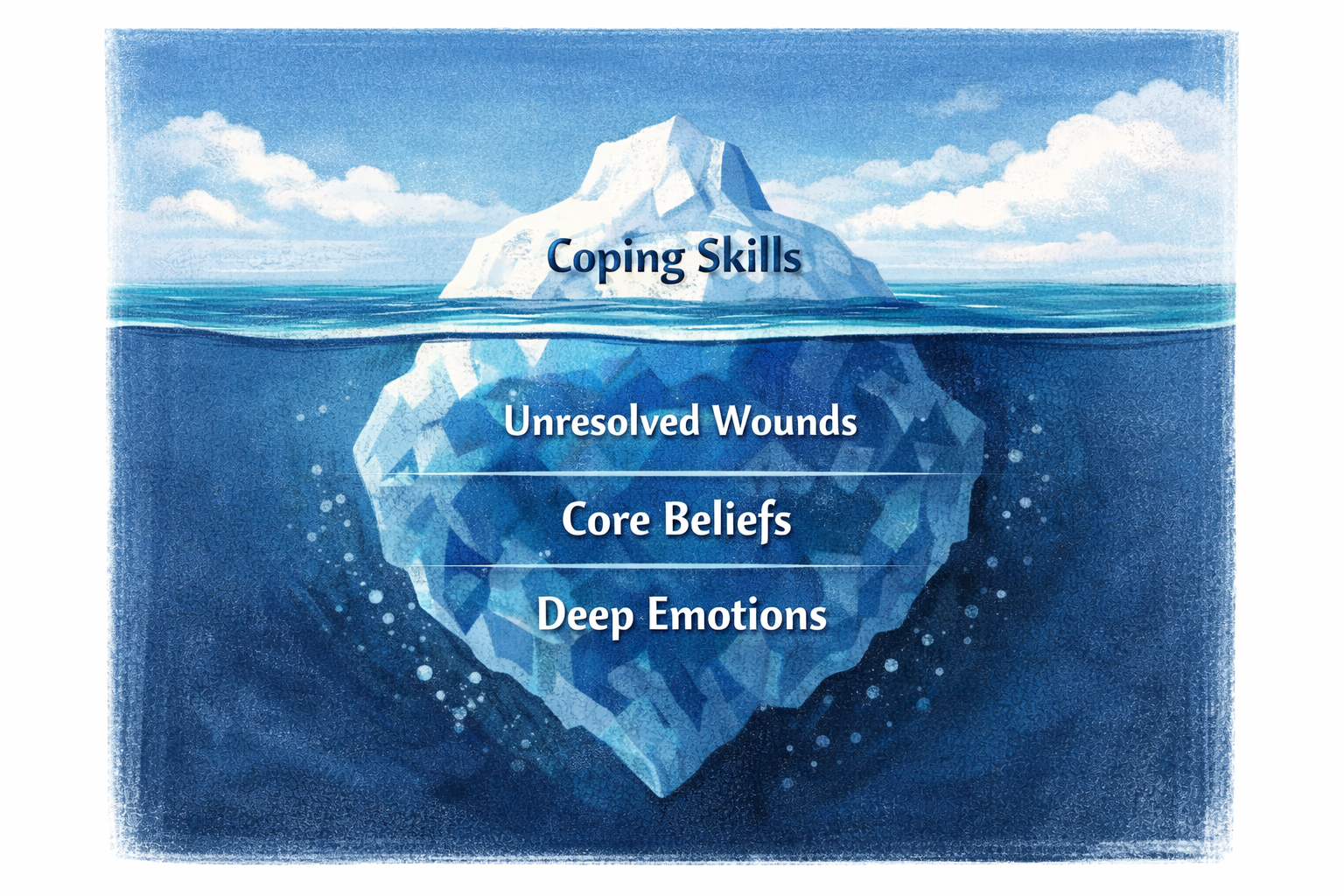
When people talk about “going deeper,” they’re referring to approaches that prioritize understanding patterns, relationships, and meaning over immediate symptom suppression. Examples include relational, psychodynamic, and integrative therapies.
Instead of only focusing on what you’re feeling, deeper work explores why these patterns exist and how they formed.
Some questions this work may involve:
What were you taught about your needs and emotions?
What parts of yourself did you learn to hide to stay safe?
What patterns show up in your relationships and why?
What beliefs about yourself no longer serve you?
Deeper work isn’t about endlessly rehashing the past. It’s about understanding how your history informs your present so you can make different choices with clarity and agency.
This type of therapy is not quick, and change is not linear, but many people find it leads to more sustainable, embodied shifts.
What Changes When You Do This Work
People who engage in deeper therapeutic exploration often report:
Greater capacity to tolerate discomfort without shutting down
More authentic and reciprocal relationships
Less internal conflict about being “too much” or “not enough”
Boundaries that feel rooted in self‑respect rather than fear
A growing ability to rest, feel, and trust themselves
None of this implies life becomes easy, but it often feels less like a battle against yourself.

You Don’t Need More Tools. You Need Space to Be Fully Seen
If you’re craving something deeper than symptom management, you’re not alone and you’re not asking for too much. You’re looking for healing that honors your insight, complexity, and capacity for growth. There’s no one “right” way to do therapy, but many people find that understanding patterns and meaning shifts their experience in ways that coping strategies alone don’t.
If this resonates, we’re here when you’re ready.