When You Feel Depression Coming: What to Do Before It Gets Worse
Early intervention won't always prevent a depressive episode. But it can make the difference between weathering it and drowning in it.
You Know the Signs
If you've experienced depression before, you start to recognize when it's coming back.
You feel sluggish. Blah. Things that used to come easily now feel effortful. "Peopling" feels like more hassle than it's worth.
Then things shift further: Activities like exercise or socializing that used to feel rewarding now feel mundane. Pointless, even.
You start avoiding. Skipping plans. Isolating from family and friends. Or worse…snapping at them, resenting them for needing things from you.
And then the really hard thoughts show up: self-doubt, self-hatred, hopelessness, the belief that you're a burden. Your sleep is a mess. Your eating is off. Responsibilities have piled up. Relationships are strained.
Now you're in it. And you can't see a way out.
Sometimes You Can't Stop It. But You Can Prepare for It
Here's the truth: Sometimes a depressive episode is coming no matter what you do.
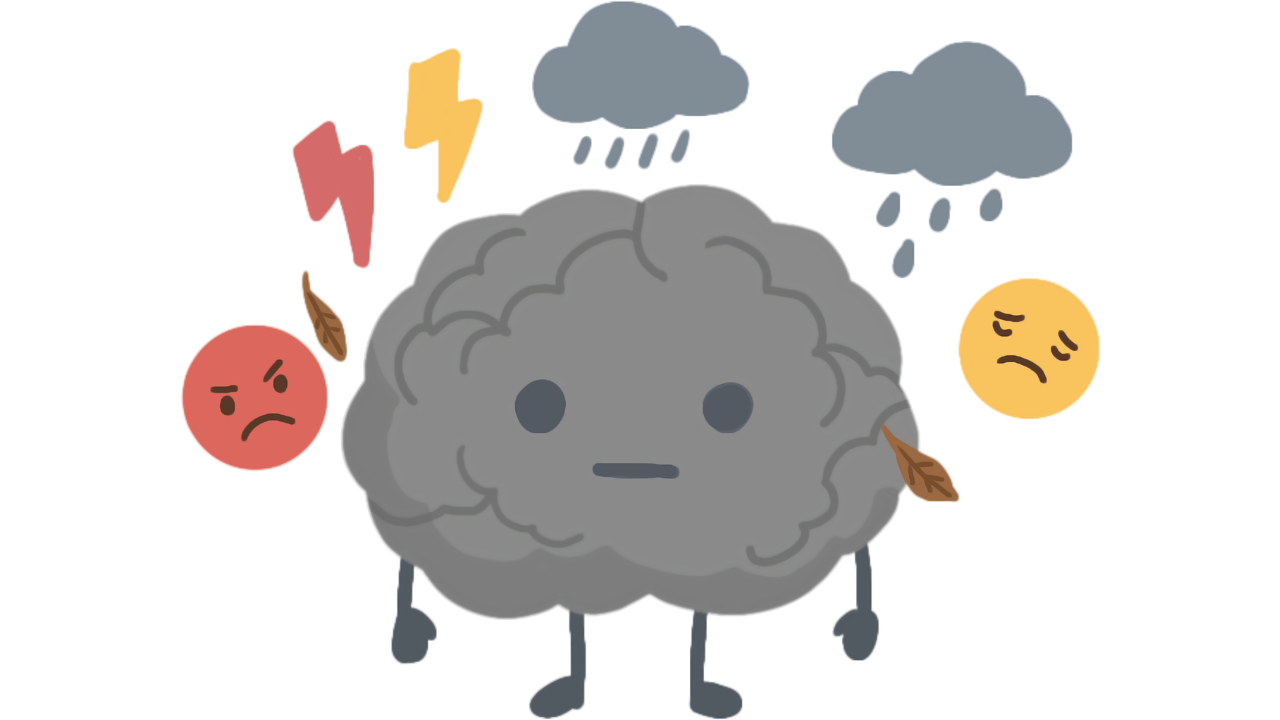
Your brain chemistry shifts. Your nervous system gets dysregulated. External stressors pile up. Seasonal changes hit. Trauma anniversaries surface. Life gets hard in ways that feel impossible to outrun.
But early intervention (catching it when you first notice the signs) can make a significant difference.
It won't always prevent the episode. But it can:
Reduce the severity
Shorten the duration
Keep you more functional while you're in it
Prevent some of the secondary damage (lost relationships, neglected responsibilities, compounded shame)
What Actually Helps (And What Doesn't)
Let me be clear: I'm not going to tell you to "just go for a walk" or "practice gratitude" and expect that to cure clinical depression.
If you're dealing with a major depressive episode, you need professional support. Therapy, potentially medication, possibly intensive treatment.
But when you're in that early window, when you feel it starting but you're not completely underwater yet, there are things that can help stabilize you while you figure out next steps.
1. Prioritize Sleep (Even When It's Hard)
Adequate sleep is essential for nervous system regulation.
Depression messes with sleep in both directions: some people can't sleep, others sleep too much. Either way, your circadian rhythm gets thrown off, which makes everything worse.
What to do:
Aim for 7-9 hours (whatever YOUR body actually needs)
Go to bed and wake up at consistent times, even on weekends
If you're sleeping too much, still set an alarm and do your best to get out of bed when the alarm goes off. Staying in bed all day compounds depressive symptoms
If you can't sleep, get out of bed after 20 minutes and do something boring (not screens) until you feel tired again
Reality check: Sometimes depression makes sleep impossible. If you've tried the basics and it's still not working, that's a sign you need professional assistance.
2. Get Outside (Especially in the Morning)

Research suggests sunlight exposure can influence serotonin levels and help regulate your circadian rhythm, particularly for seasonal mood patterns.
What to do:
Step outside within 30-60 minutes of waking up
Aim for 10-30 minutes of exposure (no sunglasses, but you don't need to stare at the sun)
Even on cloudy days, outdoor light is significantly brighter than indoor light
Reality check: If getting outside feels impossible because you're already too depressed, that's okay. You're not failing. This is a "when you can" suggestion, not a "you must or else" requirement.
3. Move Your Body (In Whatever Way You Can)
Movement helps regulate your nervous system. It doesn't have to be intense exercise. It doesn't have to be impressive.
What to do:
Walk around your block
Stretch on your floor
Dance to one song
Garden, clean, anything that gets your body moving
Why it matters: Activity breeds activity. Being sedentary breeds more sedation. The longer you wait to start moving, the harder it gets.
Reality check: If you're thinking "I should go to the gym and do a full workout," you're probably setting yourself up to fail. Start super small. Five minutes counts.
4. Eat Actual Food (Not Just What's Easy)
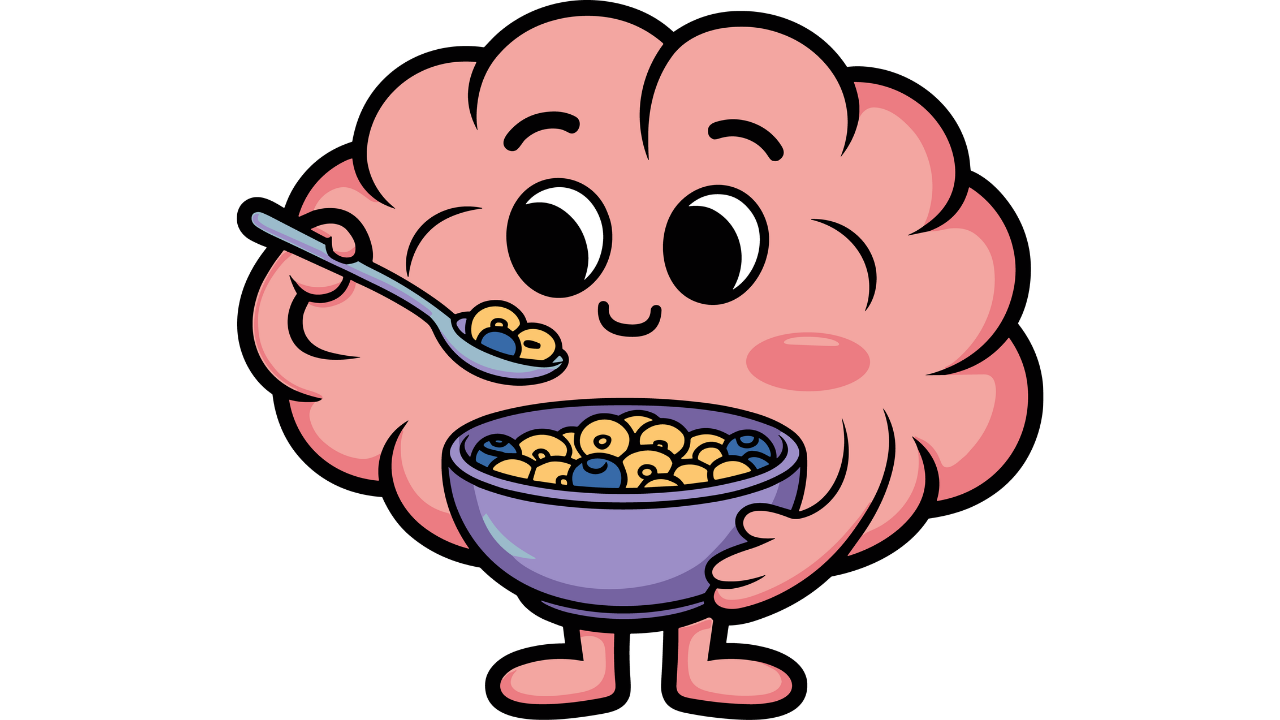
Depression messes with appetite. You might not be hungry. You might be ravenous. You might crave only simple carbs and comfort food.
This is not the time to ditch healthy habits. This is when your body needs good fuel the most.
What to do:
Eat protein and whole foods when you can
Keep easy, nutritious options on hand (rotisserie chicken, pre-cut vegetables, canned soup, protein shakes)
If cooking feels impossible, focus on eating something rather than nothing
Reality check: Sometimes you might eat cereal for dinner or skip meals entirely. That's not a moral failing. Do what you can and keep trying!
5. Reach Out (Even When Your Brain Tells You Not To)
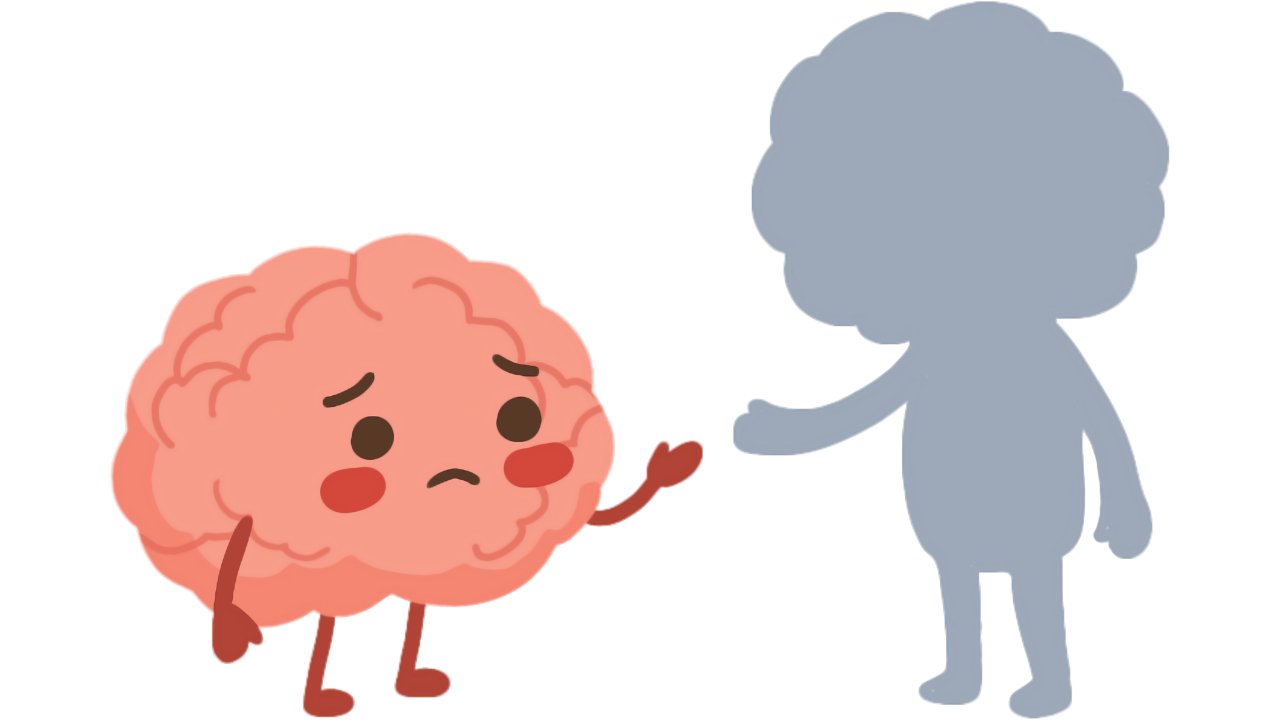
Your brain will tell you that you need to handle this alone. That you're a burden. That no one wants to hear about it.
That is depression lying to you.
What to do:
Text a friend, even if it's just "I'm struggling"
Call a family member
Go to a group class or social event (even if you don't want to)
Schedule a therapy appointment
Join an online community where people understand
Why it matters: Isolation makes depression exponentially worse. Connection (even imperfect and uncomfortable) helps regulate your nervous system and reminds you that you're not alone in this.
Reality check: You don't have to explain everything. You don't have to perform wellness. You can just show up and exist near other humans. That counts.
When Self-Help Isn't Enough (And How to Know)
Here's what I want you to understand: Following these steps does not mean you're fixing your depression on your own.
These are stabilization strategies. Harm reduction. Ways to keep yourself more functional while you figure out what kind of help you actually need.
You should reach out for professional help if:
You've been trying these things and they're not making a dent
You're having thoughts of self-harm or suicide
You can't get out of bed or function at work/home
This is lasting more than two weeks
You've been here before and know you need support
Your relationships are falling apart
You're self-medicating with alcohol, drugs, or other behaviors
And honestly? You don't have to wait until it's that bad.
You can reach out for help when you first notice the signs. When you're still functioning but can feel it starting. When you want to prevent it from getting worse instead of waiting until you're drowning.
Therapy and Medication as Prevention, Not Just Crisis Intervention
Here's something a lot of people don't realize: You don't have to wait until you're in a full depressive episode to start therapy or consider medication.
If you know you're prone to depression, if you've been through it before and recognize the early signs, getting support before it gets bad can change the trajectory entirely.
Therapy can help you:
Identify and interrupt patterns before they spiral
Build skills for managing early symptoms
Process underlying issues that fuel depression
Create a plan for what to do when you feel it coming
Medication can:
Help stabilize mood and support more consistent functioning
Reduce the frequency or severity of episodes for some people
Provide a foundation to do the other work (therapy, lifestyle changes)
Reality check: Medication isn't giving up. It's not a failure. It's a tool. And for some people, it's the difference between barely surviving and actually living.
What Getting Help Actually Looks Like
A lot of people bounce off therapy websites because they don't know what to expect or they're not sure they're "bad enough" to justify reaching out.
So let me tell you what getting help at Hello Mental Health actually looks like:
You schedule a free discovery call. You talk to someone on our team about what's going on. We figure out if we're a good fit. No pressure, no commitment.
If we're a match, you start meeting with a therapist. Weekly, usually. Sometimes more, sometimes less, depending on what you need.
You work together to understand what's happening and build capacity to manage it. We don't just hand you coping skills and send you on your way. We dig into what's driving this, what it's connected to, and how to actually address it.
And if medication might help, we can connect you with prescribers and coordinate care. We work collaboratively to support your overall treatment.
You don't have to be in crisis. You don't have to be "bad enough." You just have to be ready to stop trying to do this alone.
A Final Thought
Depression is not a personal failing.
It's not laziness. It's not weakness. It's not something you can just positive-think your way out of.
It's a real condition that affects your brain, your body, and your ability to function. And it deserves real support.
If you're reading this and recognizing yourself—if you can feel it coming, or if you're already in it, please know this:
You don't have to wait until you're completely falling apart to ask for help.
You can reach out now. While you're still mostly okay. While you still have the energy to make the call.
That's not overreacting. That's taking care of yourself before things get worse.
And that takes courage.
If you're feeling depression starting or if you're already in it, we can help.
At Hello Mental Health in Cincinnati, we specialize in working with people who are high-functioning on the outside but struggling on the inside. You don't have to be in crisis to reach out. And you don't have to do this alone.
👉 Schedule Your Free Discovery Call Now | 📞 Call Us: (513) 717-5566 | 📍 Serving Cincinnati and surrounding areas
We have availability. We're here. And we'd be honored to walk through this with you.
If you're in crisis:
988 Suicide & Crisis Lifeline: Call or text 988 (24/7, free, confidential)
Crisis Text Line: Text HOME to 741741
Emergency: Call 911 or go to your nearest emergency room
At Hello Mental Health, we treat depression not as a character flaw but as a real condition that deserves real support. We believe in early intervention, nervous system regulation, and meeting you wherever you are in your struggle—not just when you're at rock bottom.